


American Airlines (NASDAQ: AAL) on Wednesday informed 25,000 employees that their jobs could be eliminated after Oct. 1, when federal money covering wages for airline workers runs out.
Company executives say furloughs are necessary because the airline will have an oversupply of workers as it operates a significantly reduced schedule to match the downturn in travel caused by the coronavirus pandemic.
“We hate taking this step, as we know the impact it has on our hardworking team members. From the time the CARES Act was signed in March, we had a stated goal of avoiding furloughs because we believed demand for air travel would steadily rebound by Oct. 1 as the impact of COVID-19 dissipated. That unfortunately has not been the case,” Chairman and CEO Doug Parker and President Robert Isom said in a letter to employees made public in a regulatory filing. “Our passenger revenues in June, which we believe are better than others in the industry, were more than 80% lower than June 2019. And with infection rates increasing and several states reestablishing quarantine restrictions, demand for air travel is slowing again.”
American Airlines received $5.8 billion in assistance from the U.S. government to protect jobs, with $4.1 billion in the form of a direct grant and the balance through a low-interest loan. The federal government dedicated $25 billion to passenger airlines for payroll protection. The Dallas-based carrier also is seeking about $4.75 billion from a separate $25 billion pot for loans and loan guarantees.
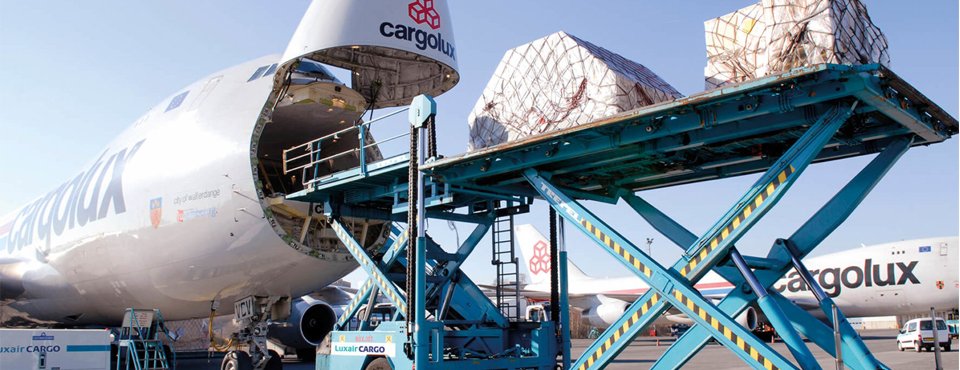
Air Cargo report for April - June 2020
The decline in industry wide cargo tonne kilometres (CTKs) accelerated in April, to 27.7% year-on-year versus 14.7% in March. This was due to subdued demand together with the disruption in manufacturing activity as COVID-19 reached all regions of the world.
Industry-wide cargo capacity declined by 42.0% annually, stemming from the evaporation of the belly capacity of passenger aircraft. Airlines raised freighters capacity – notably by converting passenger aircraft into freighters – to meet demand. The capacity crunch is however likely to have led to some pent-up demand for air cargo. This drove the cargo load factor up 11.5ppts year-on-year in April to an all-time high level since the start of our series in 1990.
The acceleration in the pace of decline in international CTKs was widespread across all the regions in April, with North America being the most resilient region, and
The fall in cargo volumes accelerated in April…
With COVID-19 having reached most regions of the world, lockdowns and travel restrictions were widespread in April 2020. This has depressed manufacturing activity and goods demand as well as affected cargo capacity. As a result, industry-wide cargo tonne kilometres (CTKs) contracted 27.7% year-on-year. This is the sharpest fall in the history of our industry-wide series started in 1990, worse than declines seen during the Global Financial Crisis (e.g. 23.9% in January 2009).
In seasonally adjusted (SA) terms, industry-wide CTKs experienced a large monthly decline (-17.6%), after a moderate fall in March (-3.0%). This has brought air cargo volumes back to levels last seen during the post GFC rebound at the end of 2009 more
